


By Rikwen R. Jonathan
Nigeria has often placed its hopes on new leaders. Every election season comes with expectations that a new administration will bring solutions to old problems. Citizens hope for better roads, improved security, more jobs, stronger schools, and a government that truly works for the people.
But over the years, one important lesson has become clear: no individual, no matter how capable, can transform a society alone. Lasting progress is built when strong institutions support good leadership.
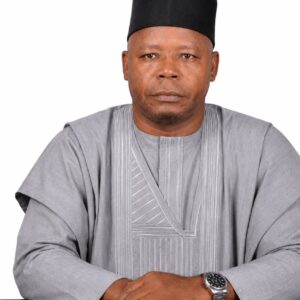
This is the belief that shapes the vision of Engr. Josiah Wukari Wasa, governorship candidate of the People’s Redemption Party (PRP) in Taraba State. For him, the future of governance is not only about who occupies office but about building systems that can continue to serve the people beyond any single administration.
With over three decades of professional experience as a marine engineer, Engr. Wasa believes leadership must go beyond promises and focus on creating structures that allow people, businesses, and communities to prosper.
At the centre of this vision is respect for the rule of law. A society progresses when laws apply equally to everyone, when public institutions are guided by fairness, and when government decisions are based on the interests of the people rather than personal considerations.
Strong institutions give citizens confidence. They ensure that policies continue even when governments change. They encourage investment, improve public services, and create an environment where people can put their talents to productive use.
For Taraba State, this conversation is particularly important.
Taraba is blessed with enormous potential. Its fertile land, natural resources, and hardworking people provide the foundation for economic transformation. Yet, potential alone does not create prosperity. It requires deliberate planning, responsible leadership, and institutions that can turn opportunities into real benefits for citizens.
This thinking is reflected in Engr. Wasa’s vision, “From Potential to Prosperity.” The idea is that Taraba must move from simply having resources to creating wealth through agriculture, industrial development, energy, stronger local governance, and investment in its people.
Around the world, nations that have achieved lasting progress did so by building systems that outlive individuals. They created public institutions that are professional, accountable, and focused on delivering results.
Nigeria has never lacked capable people. Nigerians continue to excel globally in engineering, medicine, technology, business, academia, and many other fields. The challenge has always been creating the right environment for that ability to contribute meaningfully to national and state development.
For Taraba to achieve its promise, leadership must be about more than occupying political office. It must be about building a foundation that future generations can depend on.
Engr. Josiah Wukari Wasa’s message is simple: the true measure of leadership is not only what is achieved while in office, but also the strength of the institutions and opportunities created for the people.
Taraba’s future will depend on choosing a path where potential is converted into productivity and where governance becomes a lasting instrument for improving the lives of its citizens.
About the Author
Rikwen R. Jonathan is a librarian, researcher, and writer with a strong interest in education, governance, public policy, and institutional development.


Leave A Comment