

Retailer shifts focus from major shopping malls as it battles rising costs and operational challenges
By NewsNexus Business Desk
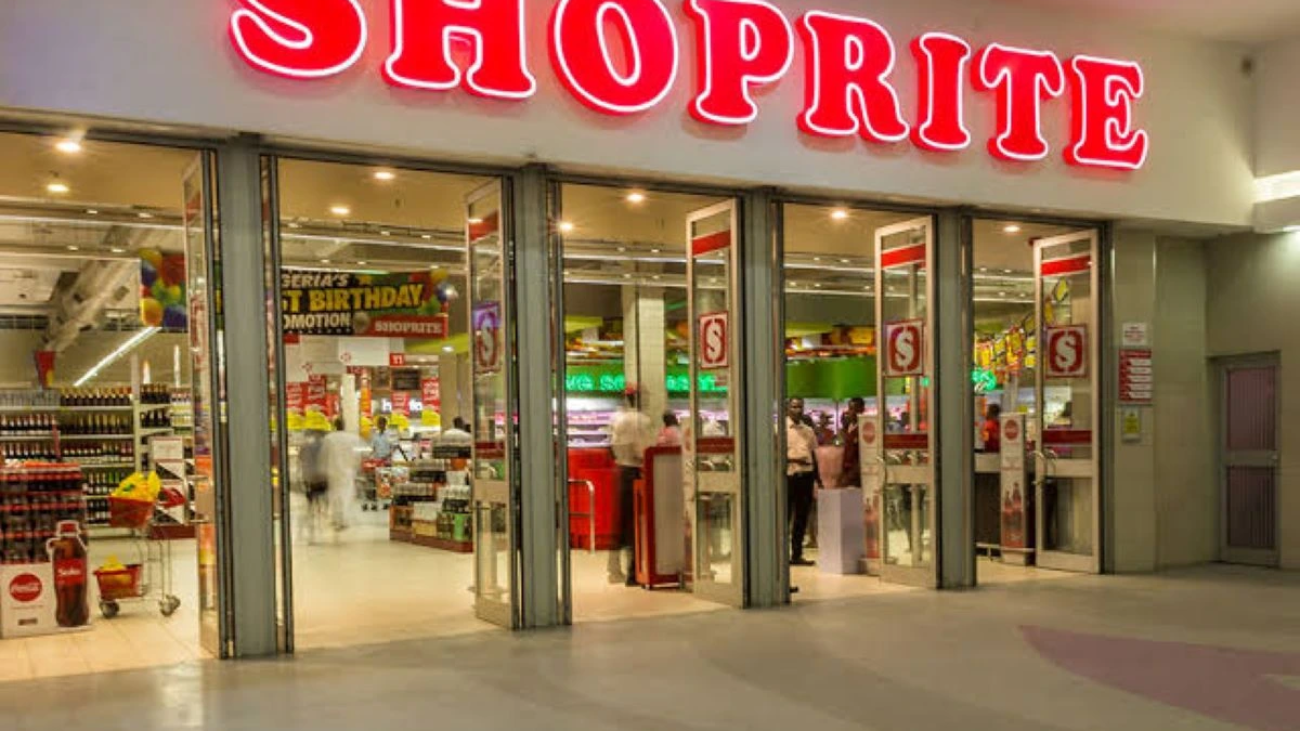
Shoprite Nigeria is planning to expand its operations through standalone neighbourhood supermarkets as part of a restructuring strategy aimed at reviving its business and reducing operating costs.
Adekunle Adebiyi, Executive Director of Investments at MBO Capital Management Limited, disclosed this during an interview on Nairametrics’ Drinks and Mics, where he discussed the retailer’s financial difficulties and recovery plans.
According to Adebiyi, three Shoprite stores have reopened following a temporary shutdown that allowed the company to negotiate with suppliers and address outstanding financial obligations.
He explained that the retailer intends to prioritise smaller, standalone neighbourhood outlets rather than rely heavily on large shopping malls.
The proposed strategy is expected to enable Shoprite to concentrate on its core supermarket business while reducing the substantial costs associated with operating within major commercial properties.
FOREIGN EXCHANGE, RENTAL COSTS POSE CHALLENGES
Adebiyi identified foreign exchange volatility as one of the major factors contributing to Shoprite Nigeria’s financial difficulties.
He disclosed that approximately 17 of the company’s 28 stores had dollar-denominated rental agreements at the time of the acquisition, exposing the business to rising rental obligations following the depreciation of the naira.
According to him, rent should ordinarily account for between eight and 10 per cent of a supermarket’s revenue. However, some Shoprite outlets reportedly faced significantly higher rental costs.
The company has also encountered operational challenges, including weaknesses in inventory management and the loss of access to the enterprise resource planning system previously provided by its former parent company.
Adebiyi said replacing the system required billions of naira in additional investment, placing further pressure on the retailer’s finances.
FINANCING CHALLENGES COMPLICATE RECOVERY
The MBO Capital executive also highlighted difficulties in securing conventional bank financing for supermarket operations.
He explained that banks typically prefer lending to businesses with substantial tangible assets that can serve as collateral, whereas supermarkets generally lease their premises and invest in equipment such as shelves, refrigeration systems and other operational infrastructure.
This financing gap, he said, complicated efforts by investors to secure funding during the acquisition of Shoprite Nigeria, despite the business generating billions of naira in revenue.
The investors consequently explored alternative funding arrangements to complete the transaction.
SHOPRITE REMAINS IN NIGERIA
Shoprite’s restructuring follows the decision by South African retailer Shoprite Holdings to exit direct ownership of its Nigerian operations in 2020 after reporting a sustained decline in sales.
The local business was subsequently acquired by investors through Ketron Investment Limited, a vehicle associated with Persianas Investment Limited and other investors. Retail Supermarkets Nigeria Limited took over the operation of the business under a franchise arrangement in 2021.
The retailer has since experienced store closures and operational disruptions amid Nigeria’s challenging business environment.
In March 2026, the company dismissed reports that it was exiting Nigeria, explaining that it was implementing a phased restructuring programme. Plans were also announced to reopen outlets at The Palms Shopping Mall in Oniru and Circle Mall in Jakande, Lagos.
The proposed neighbourhood-store model represents another phase of its recovery efforts.
However, the company has yet to disclose the number of neighbourhood outlets it intends to establish, their proposed locations or a timeline for their opening.
If successfully implemented, the strategy could help Shoprite adapt to changing market conditions, manage operating expenses and rebuild its presence in Nigeria’s competitive retail sector.
NewsNexus — Where Facts Matter.

Leave A Comment